Rough Drafts of Literacy Narratives due today! Email me a copy if you do not come to class for the points.
What is Academic Writing?
The article “What is Academic Writing?” is a brief introduction to the writing you will be expected to do in college. The article begins by addressing common myths about what academic writing is. Which ones have you heard before? Think of one or two more myths, or ideas of writing, that you have heard before.
- Myth #1: The “Paint by Numbers” myth
- Myth #2: Writers only start writing when they have everything figured out
- Myth #3: Perfect first drafts
- Myth #4: Some got it; I don’t—the genius fallacy
- Myth #5: Good grammar is good writing
- Myth #6: The Five Paragraph Essay
- Myth #7: Never use “I”
Irvin quotes a study by Lee Ann Carroll about the writing students do in college:
What are usually called ‘writing assignments’ in college might more accurately be called ‘literacy tasks’ (7).
What do you think she means here? In a short paragraph, write what you think the author is saying.
- What is academic writing according to our article?
- What does Carroll mean by “literacy tasks”?
Effective Titles
What should you title your essay? What would be a good title that makes your reader want to read the essay and prepares them for it.
Metaphors of Life
We use metaphors to help people understand what we are trying to say. Instead of explaining that life comes with many surprises and so on, you can use a simple metaphor.
Life is like a box of chocolates, you never know what you’re going to get.
Forrest Gump
The metaphor explains how Forrest sees the world. His philosophy of life that he learned from his mom. It’s short and explains a lot.
Now you will write some “I am like” statements and perhaps link them to times, places, or memories in your narrative.
Here are some templates to follow that will help you make some of your own.
At five years old, I was like a . . .
At ten years old, I was like a . . .
At work, I am like a . . .
At school, I am like a . . .
These statements can be used to illustrate scenes and examples, that further explain the points you are making in your narrative.
If you want to see some other metaphors, here is a long list of life metaphors.
Revise Drafts
Before we peer review, I want you to take a look at your own draft.
- Add dialogue, find a spot to add in some dialogue.
- Add details of a character or an artifact in your narrative. What can you describe or add details too? Are you giving enough context so the reader follows along?
- Add an image to help tell the story. What image would help the reader? What image is related to your literacy?
Peer Review
Peer edit the same way you revise your own work.
Be specific in identifying problems or opportunities.
Offer suggestions for improvement.
Praise what is genuinely good in the paper.
Grading
- Literacy
- Lesson
- Story
- Dialogue/Description
- Title/Images
Using Images
A picture is worth a thousand words.
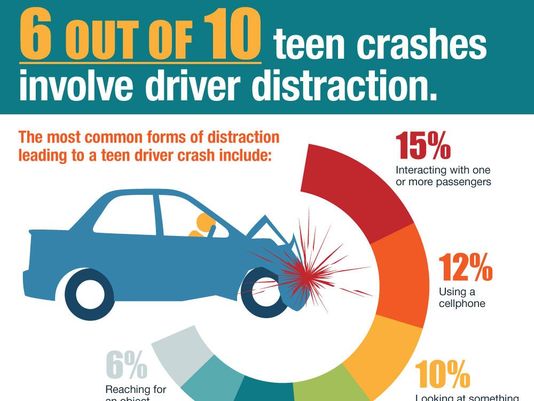
As the old adage goes. You can say a lot with an image and help convey what you want the reader to understand. Even if an assignment does not call for images, you can use them (and videos) to help with research.
You can also use them when you are describing something. Find a picture of a car dashboard if you are writing about that. You do not have to recall it from memory, you can look at a picture to help write about it.
Use images, videos, drawings to help deliver your message. What images can you include that would help the reader of your narrative? Is one image enough or should you include several images?
Great example of using images effectively. Mass Incarceration in the USA
What image to use if up to you. You might already know exactly what image you want to include. You can also search online for your topic and see what comes up. If you are writing about learning to cook, Google the term “learning to cook” and see what comes up.
Google images is a great resource. You can also use “cooking” “baking” or the name of what you learned how to cook.
Quick Write
What is the takeaway from your story? What do you want people to remember or learn?

