
Evelyn Alvarado
Professor Ramos
English 1A
October 1, 2019
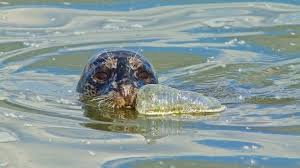
Plastic ocean
Hate pollution and love the environment! Americans generate 10.5 million tons of PLASTIC waste a year but recycle only 1 or 2 % of it. By 2050 we will be drowning in plastic, the ocean will contain more plastic then fish. Did you know that the trash drifting in the Pacific Ocean, just about 620,000 square miles; double the size of Texas, is an incredible picture of our plastic issue. The ocean water covers in excess of 70 percent of the Earth, and just in late decades have we started to see how people sway this watery environment.
Plastic contamination is one of the greatest threats to ocean health worldwide. Plastic saturates the sea through excess and even deliberate dumping. The measure of plastic in the Atlantic Ocean has significantly increased since the 1960s. The plastic pollution in our oceans is hazardous not only for the aquatic marine animals but also for the plants that inhabit our oceans.
Generally, water contamination, centers around human-made items that enter the sea. In the course of time, plastic which is non-biodegradable doesn’t get disposed of in water but breaks into particles 1mm in diameter known as micro-plastics. Micro-plastic is like a smog of plastic particles, there are billions of them and they are very toxic, once they become brittle and break apart; plastic is unable to oxidize to become waterlogs such as metal, wood or paper, and all types of plastic are treated to decay. Plastic can take up to 20 years to decompose in the oceans and requires high energy ultraviolet light to break it down.
How the plastic affects Marine animals’ life? Plastic impacts the marine environment legitimately from fish, sea birds, sea turtles and marine mammals. This marine life can become tangled in or through ingesting plastic debris, causing suffocation, drowning, and starvation which the plastic fills up their stomach and allowing them to feel full without food.
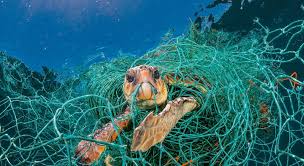
More than 11 billion plastic objects are polluting Asia-Pacific coral reefs, a new estimate finds. This waste can harbor pathogenic bacteria known to make corals sick. Reefs littered with plastic were at least 20 times as likely to have diseased corals, as unpolluted reefs. Corals succumbing to diseases can throw ocean ecosystems out of whack. When corals die, they break down, robbing underwater organisms of their reef habitats. Based on current trends, the amount of plastic trapped in Asia-Pacific reefs is projected to increase 40 percent by 2025, further endangering corals.
A report done by the Ellen MacArthur Foundation, found that there are over 150 million tons of plastic in the oceans today. That is about 1 ton of plastic for every 3 tons of fish. Keeping up a business-as-usual trend will have plastic outweighing fish in the ocean by 2050. The U.S. has not created nor implemented any federal regulations on plastic bags. However, several states such as Hawaii and California have banned single-use non-biodegradable plastic bags and other states have pursued legislation requiring retail stores to have recycling and reuse programs. Bits of plastic whirl all through the water section, notwithstanding sinking to the most profound profundities of the sea. Tiny marine plants called phytoplankton, which float on the ocean’s surface, produce about two-thirds of the worlds breathable air. These plants process the carbon dioxide and sunlight into sugars that they use for energy by photosynthesis. The by-product of the cycle is breathable oxygen for the world.
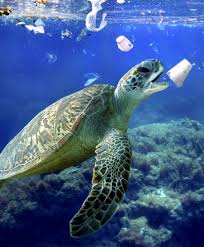
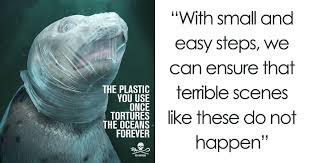
How we can we help the marine life? With the operation of the Marine Protection, Research and Sanctuaries Act (MPRSA), EPA Headquarters, and Regional Offices work together to safeguard the ocean by preventing or limiting the dumping of any material that would adversely affect human health and the marine environment. If we continue to use social media as a platform to address the epidemic pertaining to our oceans and plastic pollution, more people around the world can become more readily aware of this ongoing issue. We can certainly avoid using some plastic products that can easily be replaced with eco-friendly alternatives. For our existence to survive we need to have a harmonious relationship with our oceans.
Some methods that we can develop to help ocean pollution are in products such as scrubs, toothpaste, body washes, micro-beads/micro-plastics are tiny chunks of plastic scrubbers. These beads slide through water treatment plants because of their small size. Many marine animals are fooled by micro-plastic as food and consumed them. These beads have adversely impacted marine wildlife. Straws are unnecessary because they cannot be reused, they are a one-time product and lead to plastic waste. You can move to bamboo straws or biodegradable straws instead of plastic straws. You can turn to a devoted reusable container for transporting water instead of purchasing water bottles every day. You Keep a cloth purse or jute sack with you for these tasks instead of using plastic bags that you will eventually throw in the dust bin.
Community action can incorporate activities that lessen the measure of plastic entering the marine condition, an emphasis on reusing and reusing plastics, and keep on improving open consciousness of the effects and vectors of marine plastic contamination, just as functional systems, for example, litter traps. These activities are self-sufficient of yet supplement all the more widely engaged activities at the state level. Manufacture can be urged to create to develop codes of accepted rules and confirmation of practices, along the lines of effective standard setting and affirmation creating in an assortment of different segments. The connections back to proper and powerful government guideline, especially tending to the administration of single use plastics and miniaturized scale measured and nano-sized plastic particles. Despite these criticisms, the international framework for ocean governance continues to evolve. International initiatives addressing marine plastic pollution need to be supported by sturdy and targeted analysis, the engagement of business and community organizations, nonetheless as engaged and committed government action on fully totally different scales, supporting community-based programs that address the utilization and disposal of plastics. With broad based agreement from participating states and non-governmental organizations, may well provide the impetus for ongoing action to combat marine plastic pollution.
Work cites
Toxicological Threats of Plastic. EPA. 19 June 2017.https://www.epa.gov/trash-free-waters/toxicological-threats-plastic. Accessed on 25, September 2019.
Plastic Waste Inputs from Land Into the Ocean
Jenna Jambeck-Roland Geyer-Chris Wilcox-Theodore Siegler-Miriam Perryman-Anthony Andrady-Ramani Narayan-Kara Law – https://science.sciencemag.org/CONTENT/347/6223/768.abstract
PARKER, LAURA, et al. “Plastic. (Cover Story).” National Geographic, vol. 233, no. 6, June 2018, pp.40–91.
EBSCO,host,search.ebscohost.com/login.aspx?direct=true&db=a9h&AN=129383725&site=ehost-live.
Marine Pollution, Explained Jenny Howard August. 2019.https://www.nationalgeographic.com/environment/oceans/critical-issues-marine-pollution/#close Accessed on 25 September 2019.
Clark, Cristy. “Laying Waste to Waste.” Eureka Street, vol. 28, no. 15, July 2018, pp. 36–38. EBSCOhost, direct=true&db=a9h&AN=131440180&site=ehost-live
National Geographic Magazine 2018 plastic planet waste pollution trash crisis

