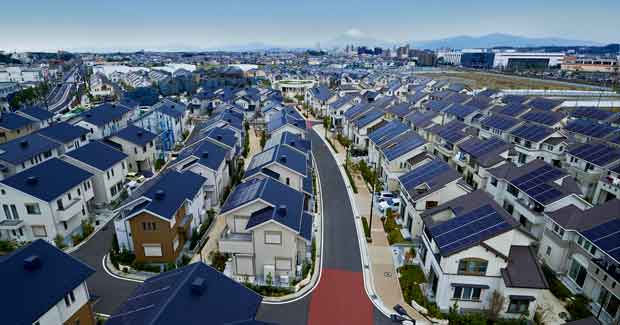
California has been globally accredited for its advances in implementing new green technologies and cutting back on its carbon footprint. The most recent environmentally conscious change in California are the solar panels that can be found on industrial buildings as well as residential housing. The state of California passed a law that now requires new homes in California to come pre equipped with solar panels. (Daniels). With technology constantly improving we’ve been able to see the long-lasting benefits of renewable energy. For that reason, I find leaving out the majority of older homes built before the law went into effect as a real negligence to our environment. Therefore, solar panels on every California roof should be seen as a smart investment to both homeowners and the environment because they offer powerful benefits to both.
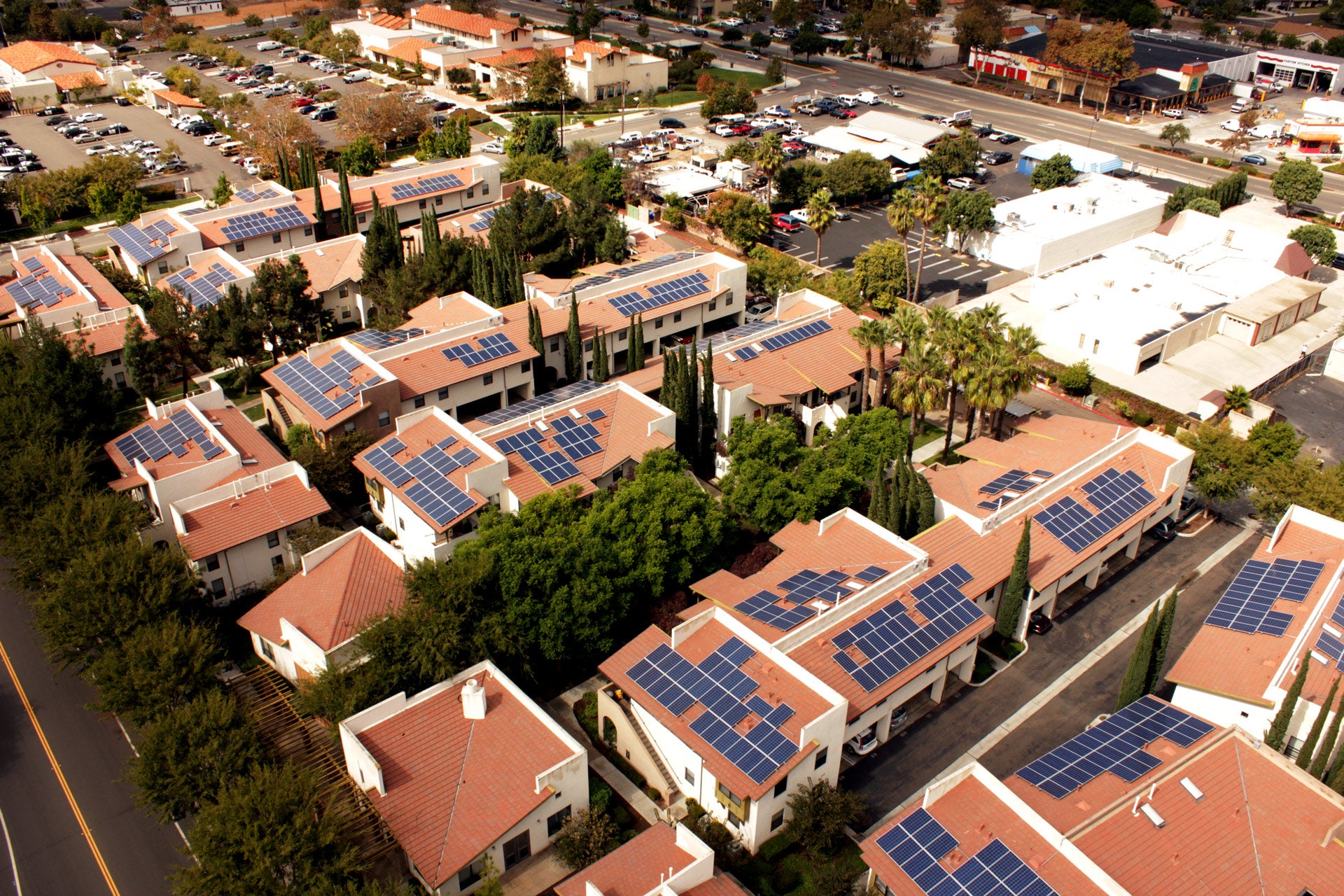
Solar panel technology is accredited to proving a clean energy, however in the article Renewable Energy they point out the two critical problems with solar. The first being is the amount of space or land mass that is needed for the solar panels to be laid out to collect the sun rays requires a big space. The space needed to generate enough energy to power a large scale of population simply doesn’t exist, especially with the current limits of the technology. California alone is a major populated area, and since its geological area is home to many vital crops the space is not there. The other issue is its inability to generate energy all the time, if the sun is not out, no power is being made and therefore it is seen as unreliable. The current technology only reports to soak up about 15–23 percent of the sun rays and transform that into electricity. So how reliable can this technology really be.
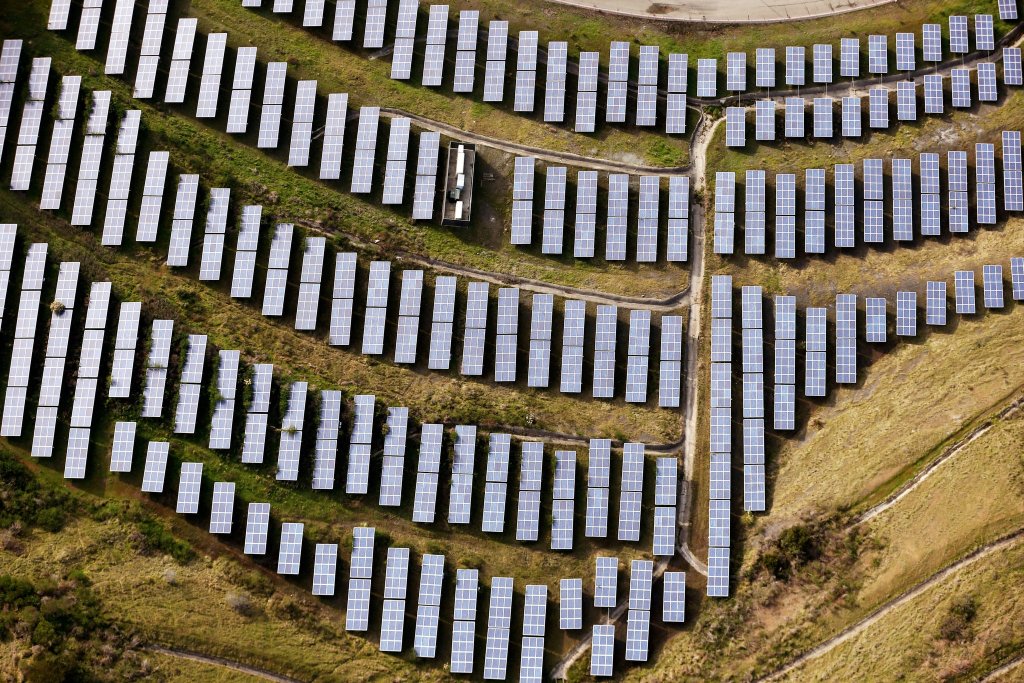
Looking at the bigger picture, these claims are not a good enough reason to not implement the technology, especially since Californians have an advantage here. Catherine Lane articles points out how California works around this because of its, “combination of high average sun exposure, expensive utility rates, the solar tax credit, and the state’s net metering law means homeowners can get an excellent return by installing solar panels on their homes.” For people living in California they already benefit from this because they live in an area where those claims are not an issue. By putting solar on one’s roof top, no additional land is taken away from your property. The benefit of using the roof is that it is using space that would otherwise not be used.
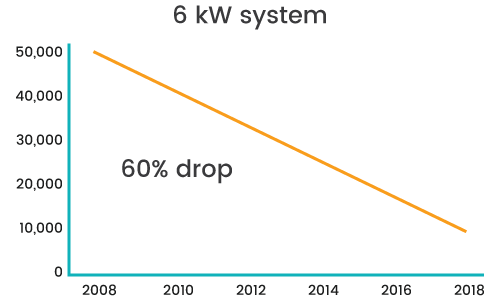
Installation of solar comes in either by leasing or buying out right. Luckily for the state of California there is a high demand so there are many options out there. One option available is going through the PACE loan programs which offer the ability for the solar to be “paid back through an increase in your property taxes and are attached to the property, not the property owner.” (Lane). This implies that you are able to move away, so there is no big commitment to stay where you are. The option to purchase solar panels directly through a company means you will have complete ownership. Depending how much prime space is available and what direction works best to install, the price will vary. However, the good news here is that as the technology has progressed it has become cheaper to install. “Prices have dropped more than 60 percent in the past several years, with the average upfront cost for the commonly used 6 kW system landing between $16,200- $21,420” (Sendy). In this scenario, the owner of the solar panels have a one up on the people who don’t own their own panels, and that is, they are able to choose what to do with that excess energy.
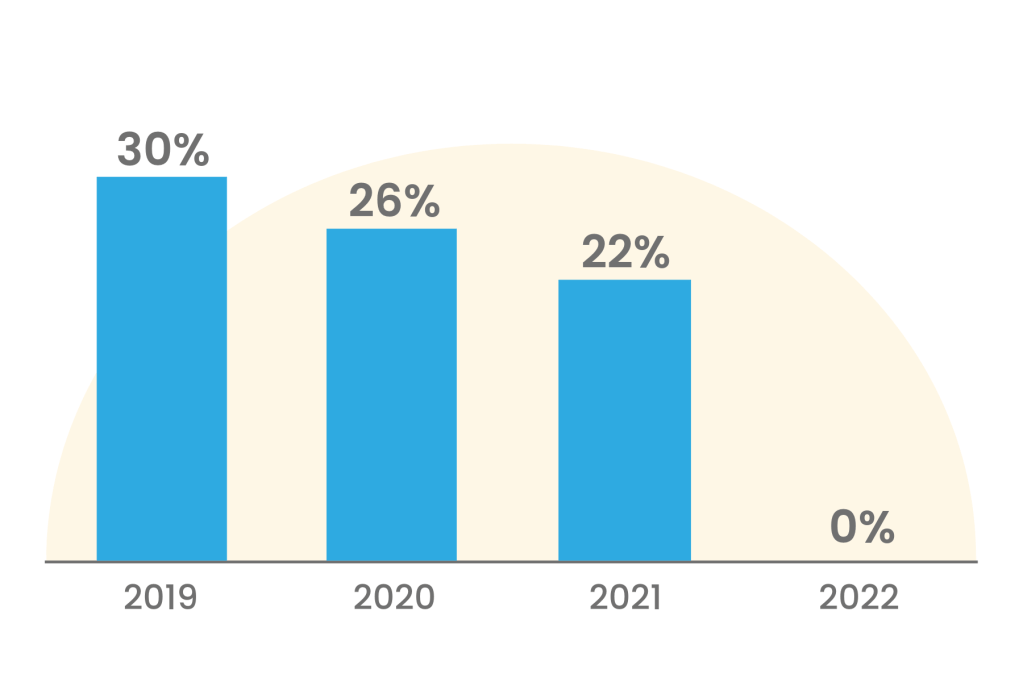
What Californians can look forward to if they install solar is the 30% federal solar tax credit offered and the protection of the net metering law (Lane). The article by Evan Nicoles breaks down the federal solar tax credit by explaining that the tax credit percentage is there to offset the costs of installing solar. During tax season a special IRS Form 5695 is needed to file the claim. Changes are coming to this program and the projections are shown to be decreasing each year. The projections shown below show that tax credit offered will decrease year by year, so the timeframe one chooses to install matters. The good thing here is that once solar panels are up in running any excess energy collected is able to be sold back to make a profit. Catherine Lane discusses this further with the net metering law which states that energy companies must comply because they “are required to give you the full retail value for each unit of solar power you personally generate and send back into the grid.” California laws are protecting home owners by ensuring that they get fair compensation.
Another benefit to solar panels is the additional value they add to the property value of one’s home. The numbers are being reported that a “standard solar panel system (3.6 kilowatts) can add about $15,000 to the value of a house” (Gautam). Not only does solar increase the value but it also allows for a higher selling price point, Gautam also reports that homes with solar sell at 4.1% more than homes that do not have solar. It should also not be lost that the utility bills will also decrease. This renewed energy pull is calling the attention to many, the article “Cut Down On Energy Bills” reports that “homeowners who have solar panels can expect their electricity bills to decrease by at least $100 a month. In 20 years, homeowners can save up to $30,000.” Solar allows individuals to take into control their own environmental footprint, by depending less on other sources of energy and switching to green sources, one can do more for the environment. The benefits of extra money both over time and monthly are just an addded bonus.

The main reason why solar technology has been developed is because of the current choke hold that the Earth’s ecosystem is currently in. The article, Renewable Energy, lists human involvement as the main reason for the dependency of nonrenewable energy sources like coal, crude oil, and natural gas. Nonrenewable sources can take years to be replenished back into the earth. They are used because they’re considered cheaper than renewable sources since they only require digging into the earth to obtain them. Renewable energy on the other hand, is a much better alternative to allocate energy. It is superior in the way that it can be allocated easily and the source is replenished once it’s used. That is why solar is such an important step in our current society, the sun will shine down regardless if solar panels are out of not, but by using that to our advantage, we are able to get the rewards.

It’s incredibility vital that the human race make an effort to be more environmentally conscious, especially here in California since we have such a huge population of people clustered in cities. Homeowners who voluntarily make a change a switch to solar energy can take pride in knowing that they are making a difference. It is absolutely detrimental to our future that we switch to renewable energy that does not deplete the earth of its resources that normally take thousands of years to create. Installing solar on homes is incredibly important in a location like California. The added extra value that is brought to one’s home is even more important especially since it’s such an expensive state to live in. Since some of the benefits like tax breaks that are currently offered as limited by the year its beneficial to act sooner rather than later. Ultimately solar power is beneficial to the Earth, and since everyone needs the Earth in order to keep living it should not ignored as the next generations problem, because it very much is todays problem.

Work Cited
“Cut Down On Energy Bills With Solar Panel Installation”. Current Electric Company, 2017, https://currentelectricco.com/solar-panel-installation/. Accessed 1 Oct 2019.
Daniels, Jeff. “California Regulators Approve Plan To Mandate Solar Panels On New Home Construction”. CNBC, 2019, https://www.cnbc.com/2018/05/09/california-approves-plan-to-mandate-solar-panels-on-new-homes.html. Accessed 1 Oct 2019.
Gautam, Aditya. “Do Solar Panels Increase Home Value In 2019”. Solar-Estimate, 2019, https://www.solar-estimate.org/news/solar-panels-home-value-solar-lease. Accessed Oct 2019.
Lane, Catherine. “Our Complete Guide To Solar Power In California”. Solar-Estimate, 2019, https://www.solar-estimate.org/solar-panels/california. Accessed 1 Oct 2019.
“Renewable Energy.” Gale Opposing Viewpoints Online Collection, Gale, 2019. Gale In Context: Opposing Viewpoints, https://link-gale-com.chaffey.idm.oclc.org/apps/doc/PC3021900146/OVIC?u=ranc95197&sid=OVIC&xid=195c4dd0. Accessed 1 Oct. 2019.
Nicoles, Evan. “Solar Tax Credit Guide And Calculator”. Solar-Estimate, 2019, https://www.solar-estimate.org/solar-incentives/federal-solar-tax-credit. Accessed 1 Oct 2019.
Sendy, Andrew. “Price And Efficiency Of Solar Panels Has Changed Over Time”. Solar-Estimate, 2018, https://www.solar-estimate.org/news/how-has-the-price-and-efficiency-of-solar-panels-changed-over-time. Accessed 1 Oct 2019.


