By Christopher Negrete
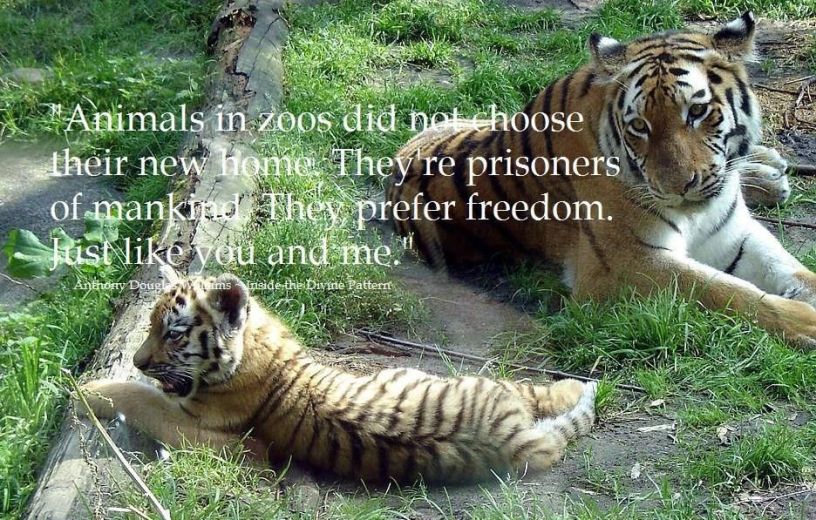
“Animals in zoos did not choose their new home. They’re prisoners of mankind. They prefer freedom. Just like you and me,” as said by Anthony Douglas Williams from Inside the Divine Pattern. When looking at the effects that zoos have on the animals that inhabit it there is a trend that shows these zoos are actually not good for them. Across the world nations have been putting animals in enclosures just for people to watch them in amusement or as some have argued for education. We tend to not notice that what we do can have negative effects in our environment; this is the case with zoos as we may have initially thought that by keeping these animals in small confined spaces away from the dangers of the world we were keeping them safe. This is however not the case when we look at the results which shows us that these animals suffer from serious side effects such as: depression, overweight, and other health issues that leads to early death. The reason for these side effects are all entirely tied with their environment as seen in pets and humans. The environment that we live in reflects the life and health that we may have and in zoos the animals aren’t healthy nor happy; we should however rely more on national parks and animal sanctuaries.
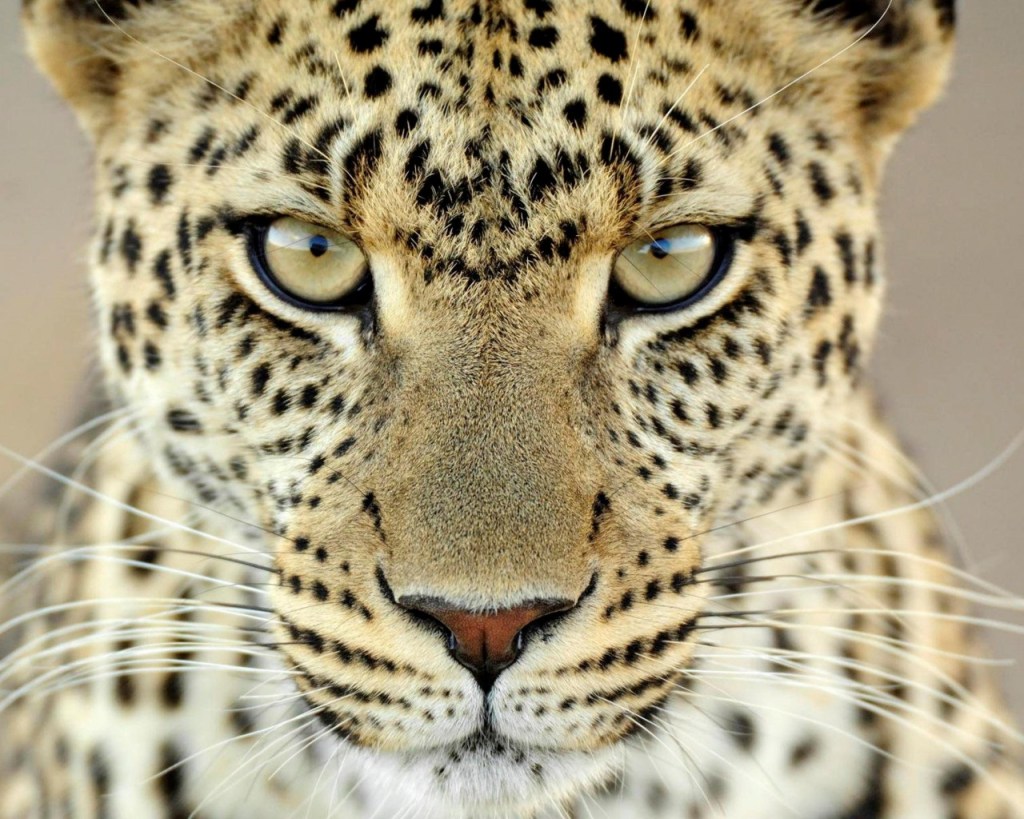
An argument that is made towards keeping zoos is that by having these animals we are able to educate people and they grasp a better understanding about these creatures when looking at them up closely. As stated by New York Sociological Society, “‘measures to inform the public of the great decrease in animal life, to stimulate sentiment in favor of better protection, and to cooperate with other scientific bodies… (in) effort calculated to secure the perpetual preservation of our higher vertebrates” (Jamieson 42-43). Despite this being the purpose of making these zoos the people that go don’t actually learn much and are only as knowledgeable as a fisherman or hunter. Many of these places have events where they have the animals putting on a show for the amusement of the guests, but there is barely anything said to educate the audience. In the article, Against Zoos, the writer states, “most people visit zoos in order to be entertained, and any zoo that wishes to remain financially sound must cater to this desire” (Jamieson 42). Even if these places try to educate the guests that come to here, there are a high number of ignorant guests that often skip exhibits that have animals lying around and move towards ones that have animals being fed, making noise, or have babies, so entertaining in hopes of educating might not be the best use of a zoo. If people really want to watch animals to learn they have many sources that they can use to get a better education whether it be online, on tv, or going to a national park or animal sanctuary. You can see an animal’s natural behavior in national parks and animal sanctuary where they can be free to do what they want without the stresses that come from being in a zoo.
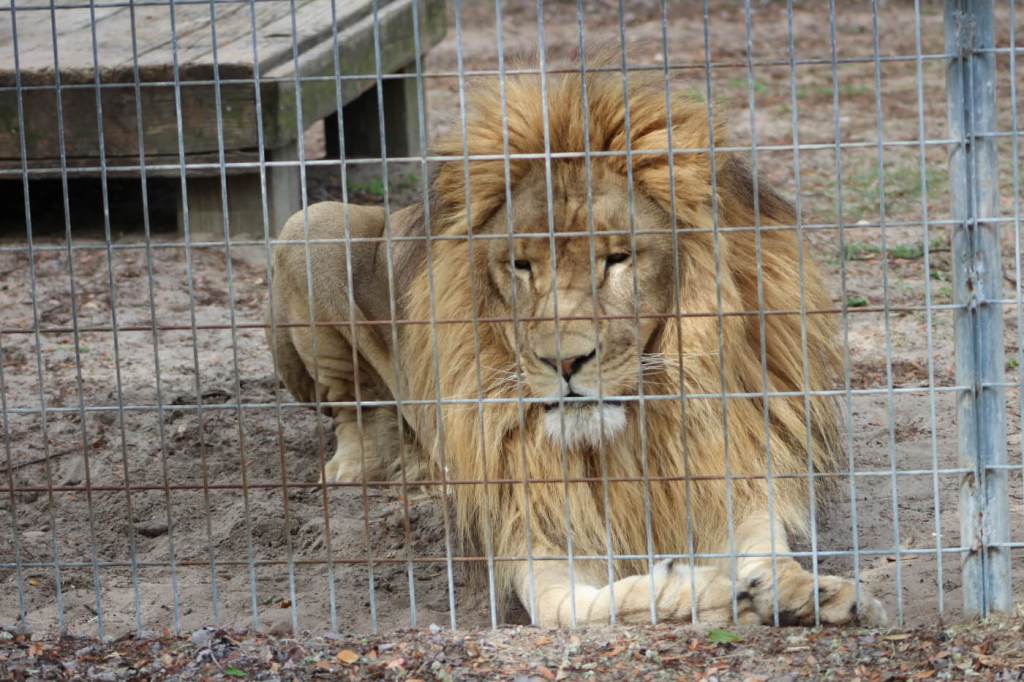
An issue that is often seen in the management of the zoos is a battle between the staff members and the people who run the zoos. The goals of the zoo are often a topic of debate because staff that has knowledge and experience aren’t able to do what is necessary while the owners make changes that helps to promote and bring in more guests. This leads to mistreatment of animals because as a group of staff knows that they should focus on educating and maintaining the animals’ health. The owners and managers ignore their concerns and use their power to make decisions based on their own judgments rather than using their experienced staff members. As stated by Mazur and Clark, “we have found that the views of senior management currently dominate zoo policy and practices, in what may be described as an ideological tug-of-war between the business-oriented concerns of senior management and the animal/education-based concerns of operational staff” (Mazur and Clark 195). The issue with control in zoos comes from the management because these people are trying to use these animals for commercial use while maintaining these animals, but it is very hard to juggle both. If we supported national parks and animal sanctuary commercial use of these animals are almost entirely depleted and there is a greater focus on maintaining these animals. As stated by the ASA in the US, “…member sanctuaries cannot breed, sell or trade animals, nor use them for commercial purposes” (ASA).
Just like in prisons the psychology of the captives is a key factor in how they interact with what’s around them and will affect their health. An animal that is mentally unstable as well as the inability to control these animals can lead to serious destruction as seen in many cases across zoos and aquariums where the animals attack either the keepers or the audience. In one such case in Sea World where an orca had killed its trainer by pulling them into the water and drowning them, this specific whale has also managed to kill 2 other people by drowning them also. As stated by Russel Goldman from ABC news, “A female trainer was killed today at SeaWorld’s Shamu Stadium in Orlando, Fla., by a 12,000-pound killer whale that had twice before been involved in the deaths of humans, according to police and local media” (Goldman). Despite this the animal is still participating in the Shamu show at Sea World. In the several cases that these animals have killed staff members that interacted with these animals on a daily basis, but despite this they were still killed because of these animals being unstable and uncontrollable. If these animals were placed in animal sanctuaries and national parks these can be free to do what they want and be less likely to harm anyone.
With the negative effects that are seen from animals in zoos, it is not right to allow these places to exist for much longer. Zoos have been around for a long time starting with circuses and arenas battling against these exotic animals because of the interest there is to see these magnificent animals so close to us but is it justifiable to take away these animals’ freedom if its’ for our education and entertainment. These zoos are not properly managed due to the focus on making a profit off of these animals. There is also the number of casualties that come from zoos directly related to the animals that brings the idea that we can’t control these animals. In conclusion, zoos are should not exist no matter the reasoning behind, but rather national parks and animal sanctuaries are the proper methods.
Annotated Bibliography
Goldman, Russell. “Whale Kills Trainer at SeaWorld’s Shamu Stadium .” ABC News, ABC News Network, 24 Feb. 2010, 12:43, abcnews.go.com/GMA/AmazingAnimals/whale-kills-trainer-sea-worlds-shamu-stadium/story?id=9932526.
This source is a news article describing the events of an orca killing its trainer followed by two other killings that the same orca did. It also gives a description of what happened it also has some eyewitness accounts from people that saw the event occur. I plan on using this source to help support the claim that the animals in captivity are uncontrollable. This source comes from a well-known news source and has many witness statements and statements from officials.
Jamieson, Dale. “Against zoos.” Environmental Ethics: Readings in Theory and Application 5 (1985): 97-103.
This source goes into depth of the purpose of zoos and how they play an important part in why zoos exist. By examining several reasons why zoos are around it is found the there is no real good reason for having these animals in captivity by using data collected from zoos. I’m using this source to show that despite good intentions there just isn’t enough good results to justify having zoos around. The source has several points where they back up their information with data that has been collected from several different zoos.
“List of Animal Sanctuaries in the U.S.” Humane Decisions, www.humanedecisions.com/list-of-animal-sanctuaries-in-the-u-s/.
The source gives a list of sanctuaries across the US and what each one specializes in. It also gives the rules and regulations that each of these places have when taking care of the animals that are placed in their care. This will be useful in supporting my proposal of replacing zoos with only national parks and animal sanctuaries. The source has the laws and policies that have been passed by the government and organizations.
Mazur, N., and Tim W. Clark. “Zoos and conservation: policy making and organizational challenges.” Bulletin Series Yale School of Forestry and Environmental Studies 105.2 (2001): 185-201.
This source gives the policies and regulations that are conducted in zoos across the nation and includes the issues that are being faced. They also give many quotes and data that they have found from studies. This will help give a clear idea of how zoos are run and back up my proposal of having zoos closed down and replaced with animal sanctuaries. This source comes from two people that have cited quotes and data that they have collected making it a good source.
Wootton, Anne. “Bad Day at the Zoo.” Popular Science, vol. 271, no. 3, Sept. 2007, pp. 14–15. EBSCOhost, search.ebscohost.com/login.aspx?direct=true&db=a9h&AN=25999296&site=ehost-live.
This source describes the attacks from animals that have been inflicted from the keepers of these animals. There is also other accounts of attacks on guests that were at the zoo. This will help support that the animals cannot be controlled and will attack anyone whether they are familiar or not. This comes from Taiwan veterinary services which are direct accounts of what occurred in these cases thus making this a very reliable source.

